
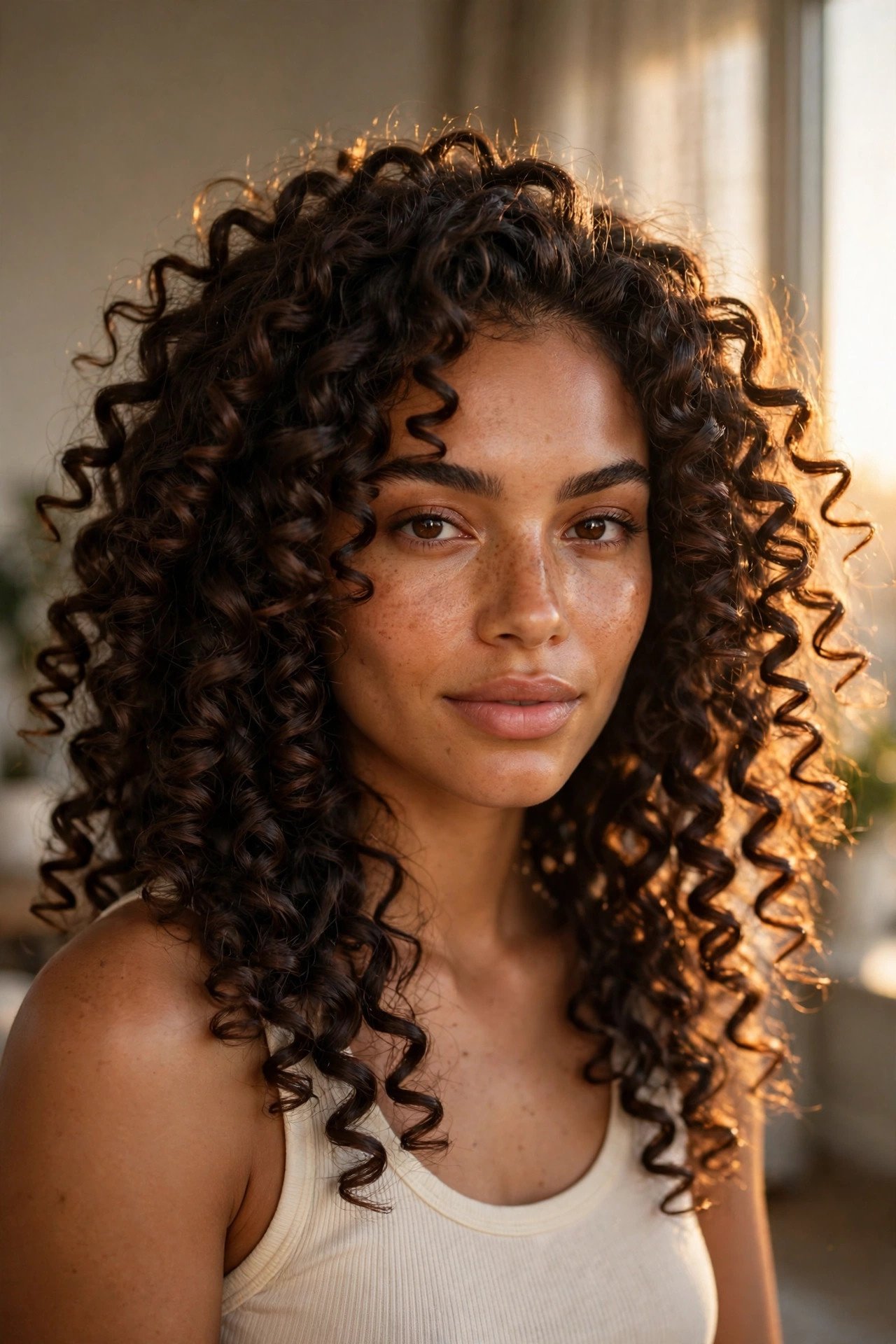
The curly girl method sparked one of the hair world’s loudest debates this week: a viral thread calling it “a lie to keep you buying products and wasting your time” pulled hundreds of upvotes and a flood of comments from women who simplified, quit, or swore by it. The truth is messier than either side admits. Some techniques genuinely transform curls — and some are pure product marketing. Here are 12 honest, practical curly girl method tips for women, including where the method works, where it backfires, and the minimal routines real curlies returned to.
1. Start With an Honest Hair Audit
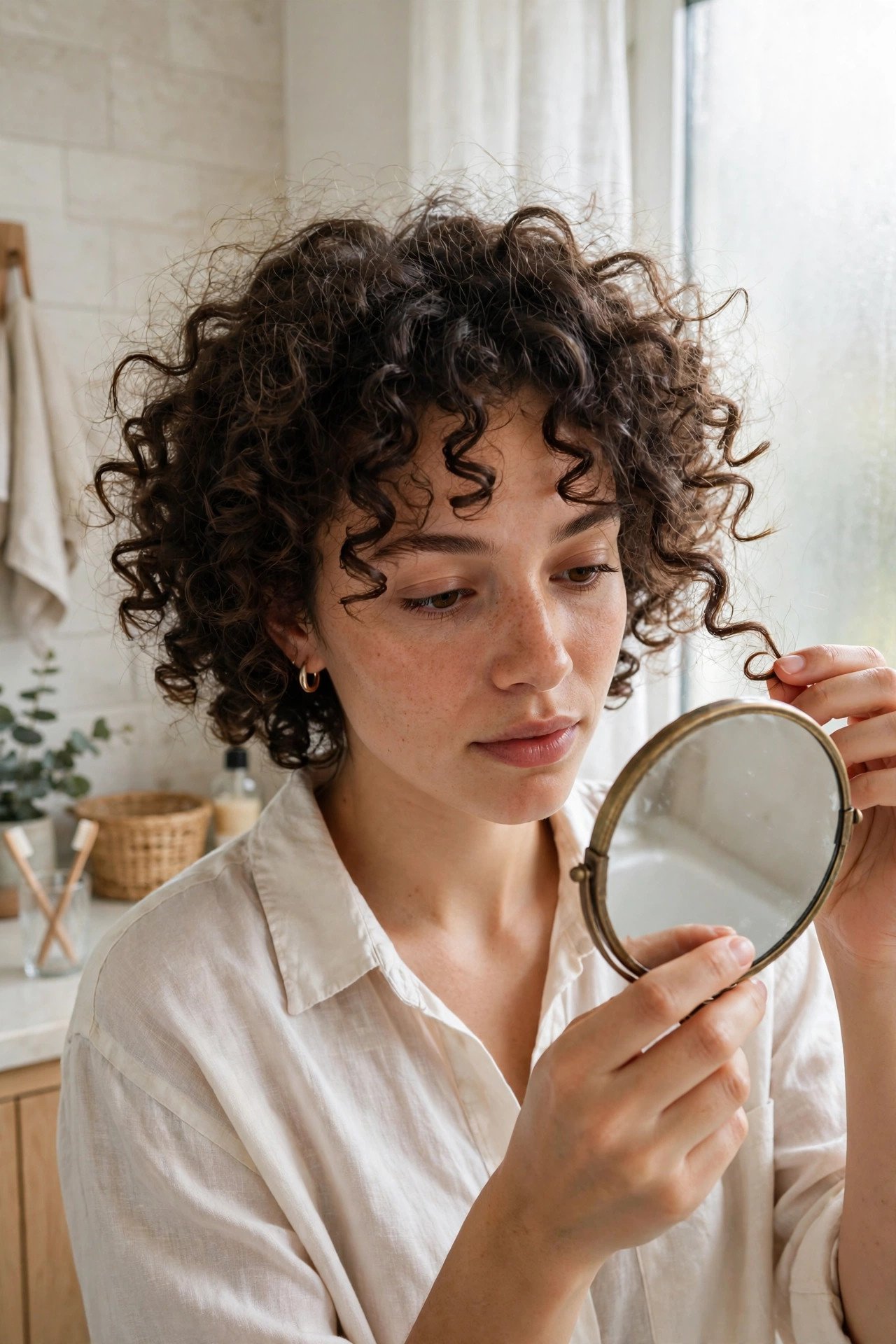
Before buying anything, look at your actual hair: curl pattern, thickness, porosity and how it behaves on day two. Fine, wavy hair (2A–2B) rarely needs the full heavy routine, while thick coily hair (3C–4C) usually thrives on it. The method fails most often when women copy someone else’s 12-step routine instead of matching products and techniques to their own texture.
2. Do One Clarifying Reset Wash First

If your hair has years of silicone buildup, starting CGM on top of it will make your curls feel coated and limp — the number-one reason beginners quit. Do one final wash with a regular clarifying shampoo to strip everything out, then never use sulfates or silicones again. From there, every product you use actually reaches your hair shaft instead of sitting on top of old buildup.
3. Swap Harsh Shampoo for a Gentle Sulfate-Free Wash
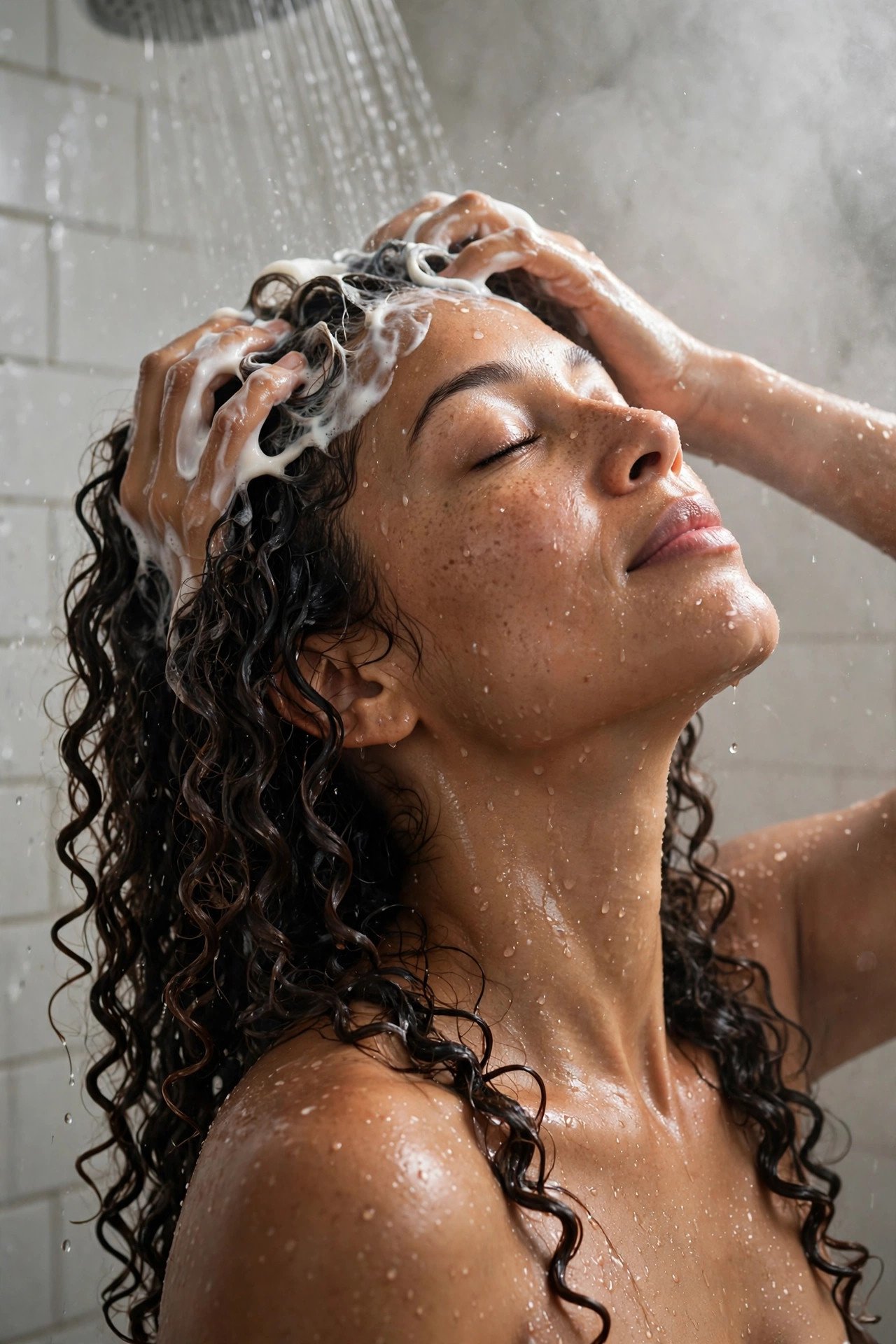
Sulfates clean by stripping oil from the hair shaft, and curly hair — whose oval-shaped fibers lose moisture faster — cannot afford that. Switch to a sulfate-free shampoo or a gentle cleansing conditioner, and massage your scalp with your fingertips for a full minute. Coily types can wash every 1–2 weeks; wavier textures usually need weekly cleansing to avoid a greasy scalp.
4. Condition Generously and Squish It In
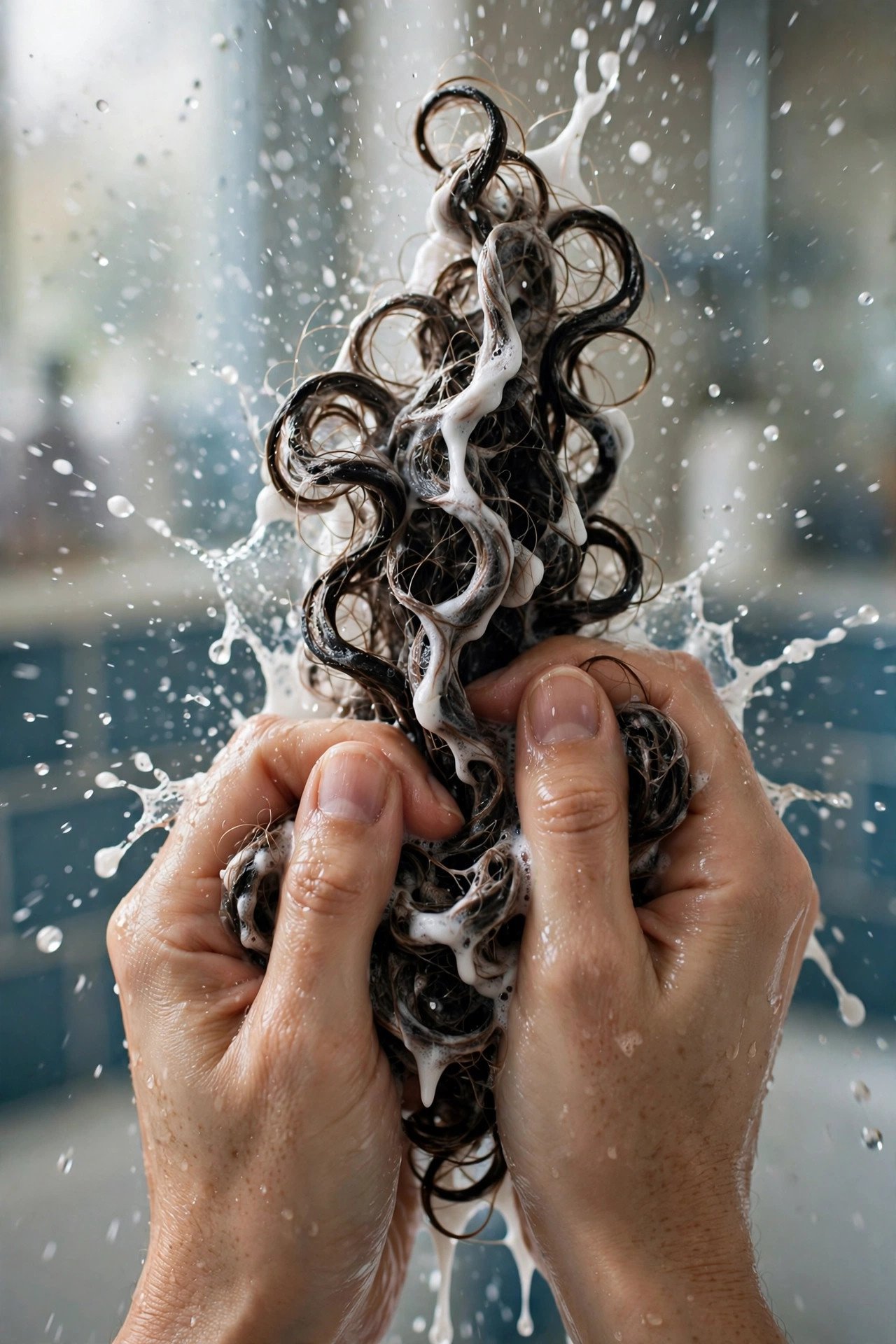
This is the technique that converts the most skeptics: apply a generous amount of silicone-free conditioner, add plenty of water, and scrunch upward so you hear a squelching sound — “squish to condish.” It pushes moisture into the hair shaft and encourages curl clumps to form. Rinse fully if your hair is fine, or leave a little in if your curls are thick and thirsty.
5. Detangle Only When Wet — Never Dry-Brush
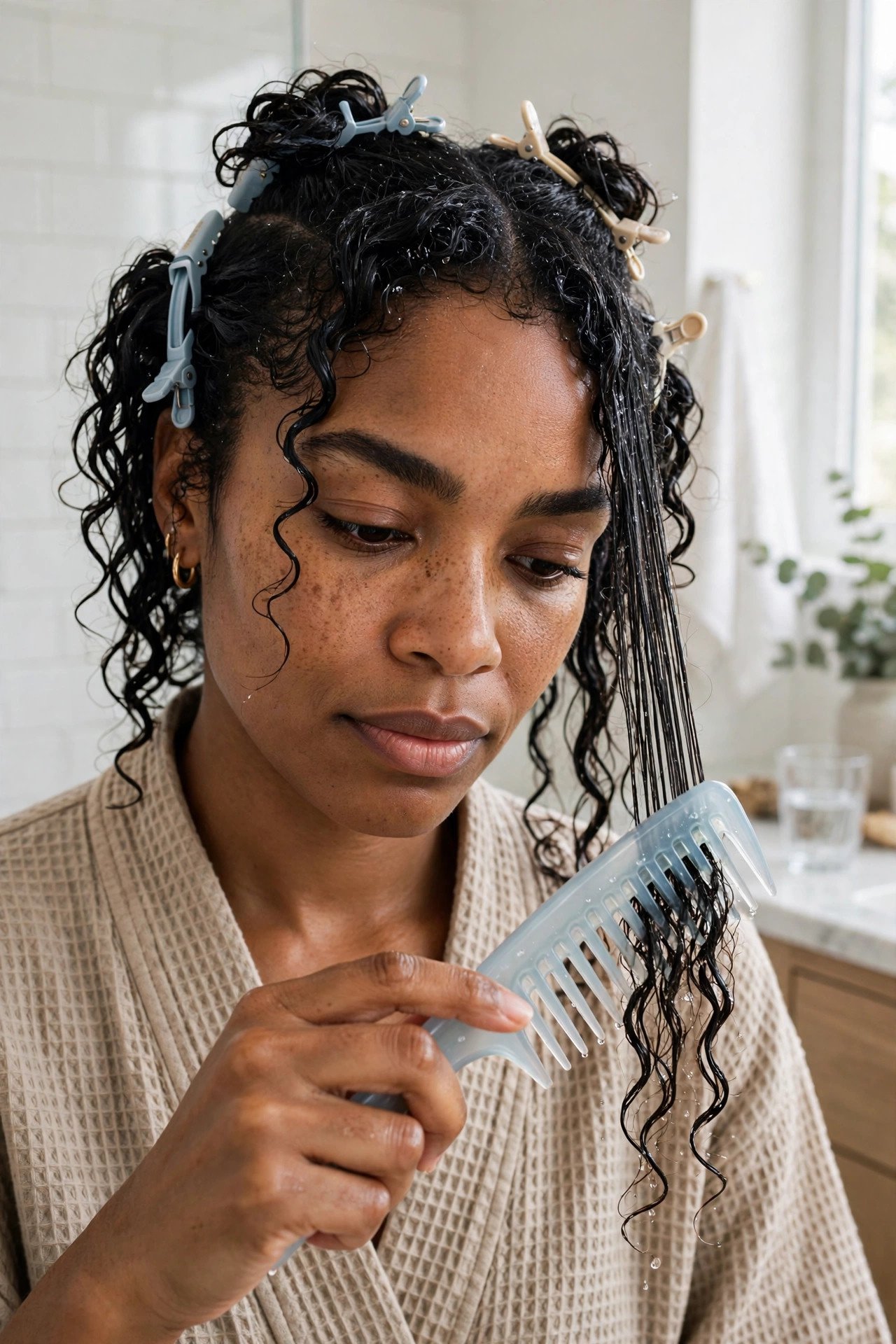
Dry-brushing curls causes breakage and turns defined clumps into a frizz halo — the critics and the fans actually agree on this one. Detangle only when your hair is soaking wet and loaded with conditioner, using fingers or a wide-tooth comb, working from ends to roots. Sleeping in a satin bonnet or pineapple also prevents the overnight tangles that made people reach for a brush in the first place.
6. Plop With a Cotton T-Shirt, Not a Towel
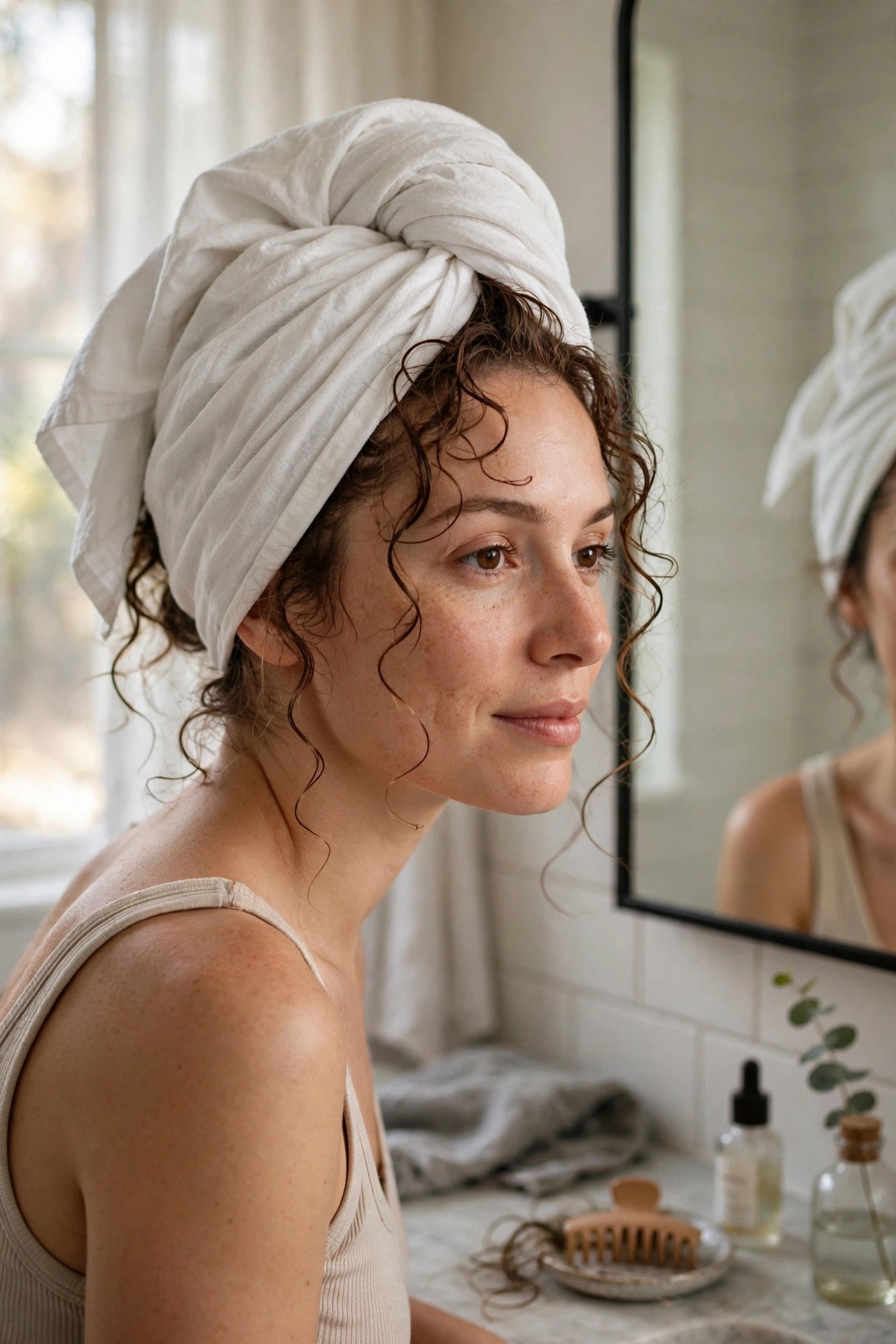
A rough terrycloth towel creates friction that roughs up the curl pattern and causes frizz. Instead, lay a cotton T-shirt flat, flip your wet curls onto it and wrap it into a turban for 10–20 minutes. It absorbs excess water while keeping curl clumps intact — one of the simplest, cheapest wins in the whole method, and it costs you nothing.
7. Style on Soaking-Wet Hair
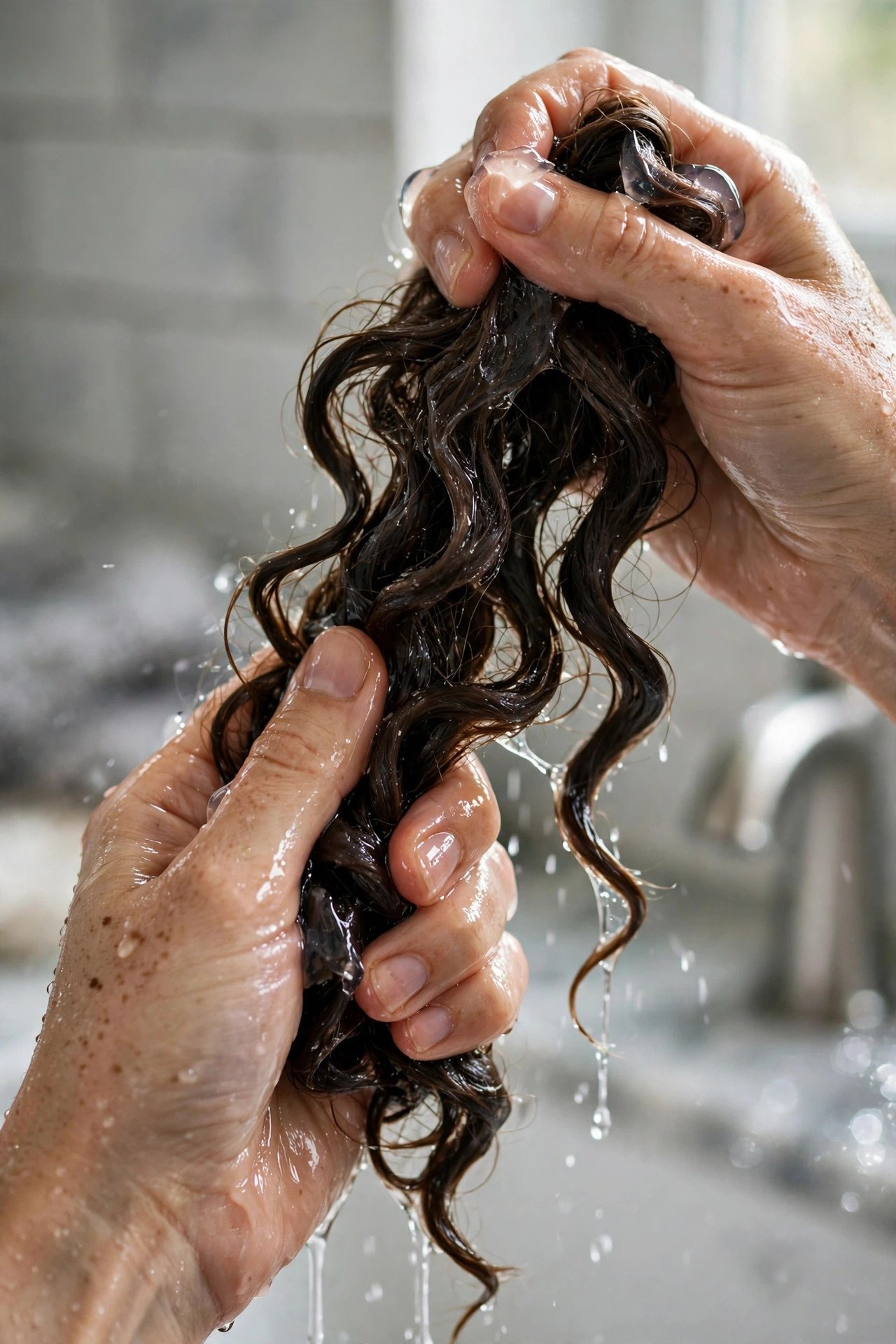
CGM works best when styling starts the moment you leave the shower, while hair is dripping wet. Rake a leave-in through with your fingers, then scrunch a gel or mousse upward — the water helps distribute product evenly and locks in curl formation. Expect a crunchy “gel cast” as it dries; that crunch is normal and you simply scrunch it out once hair is 100% dry to reveal soft, defined curls.
8. Diffuse on Low Heat or Air-Dry Hands-Off
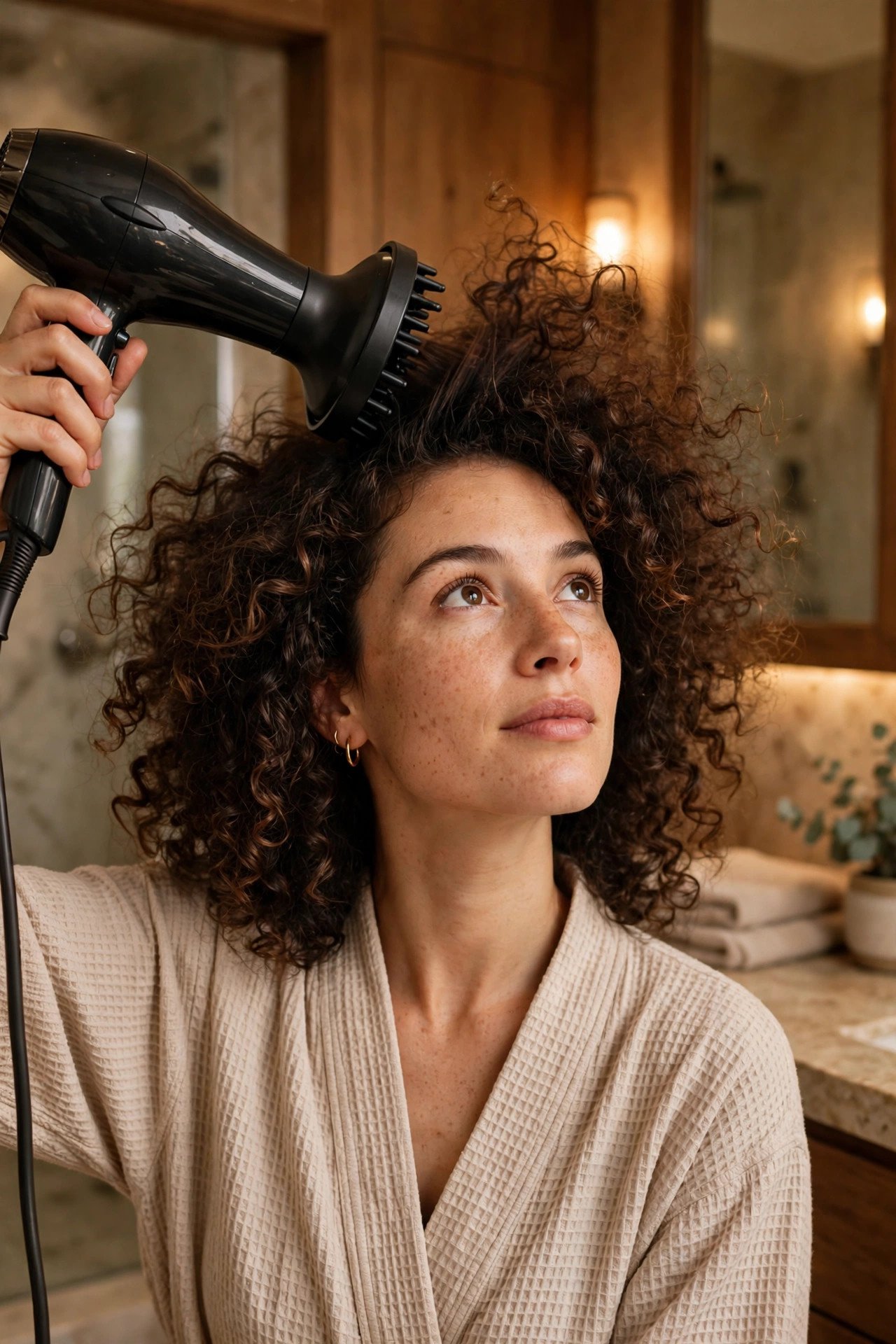
Strict CGM avoids heat entirely, but most real-world curlies diffuse on low heat or cool air — and their hair is healthier for it than it was with flat irons. A diffuser bowl spreads airflow so curls keep their shape while drying faster. Either way, the golden rule holds: do not touch your hair while it dries. Every poke breaks a curl clump and invites frizz.
9. Pineapple at Night and Protect With Satin
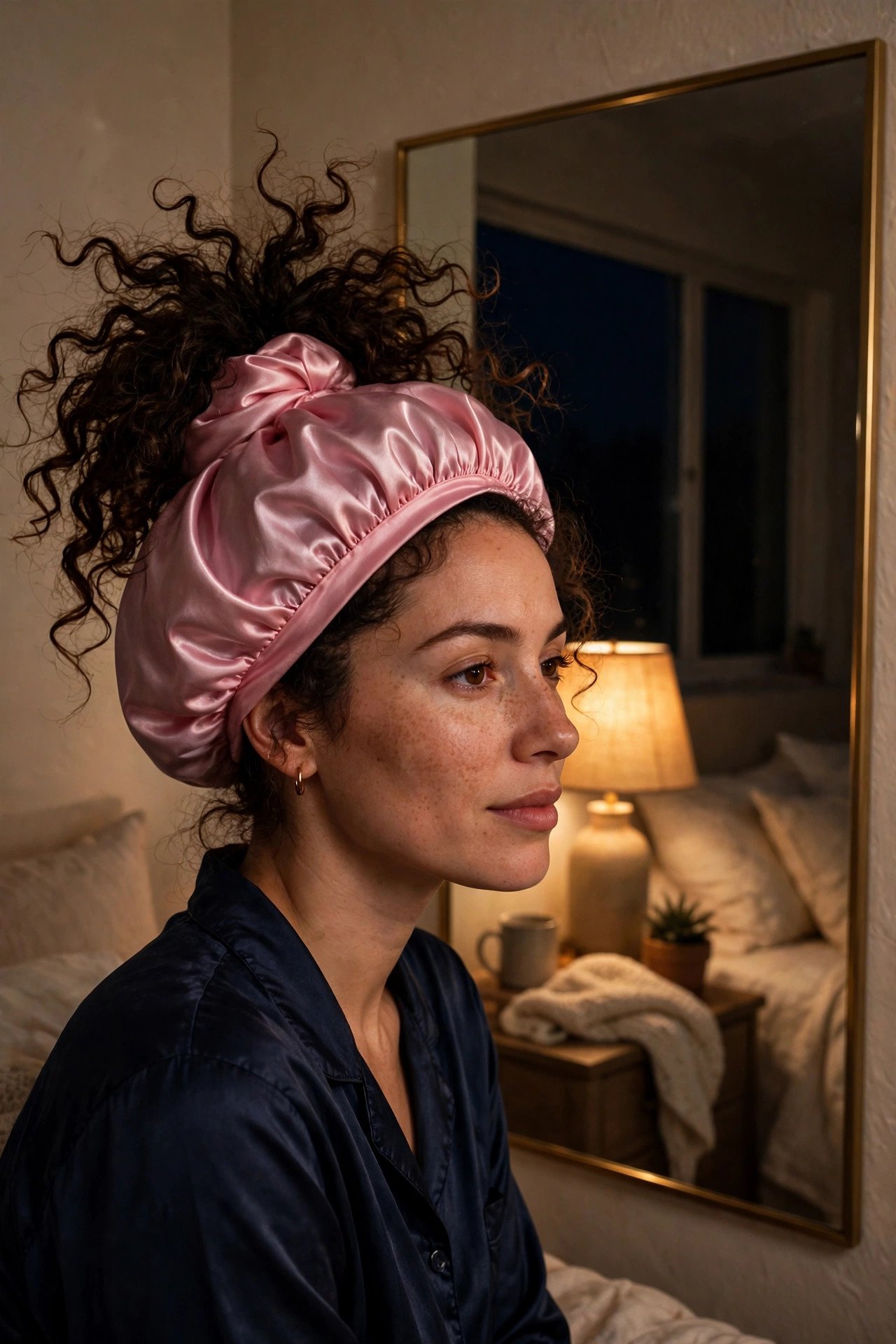
If your curls look great at night and frizzy in the morning, nighttime is the problem, not the products. Gather hair into a loose, high ponytail on top of your head — the “pineapple” — with an oversized satin scrunchie, or sleep in a satin bonnet. Satin reduces friction against your pillowcase, so day-two curls survive instead of matting into a birds nest.
10. Master Refresh Days Instead of Rewashing
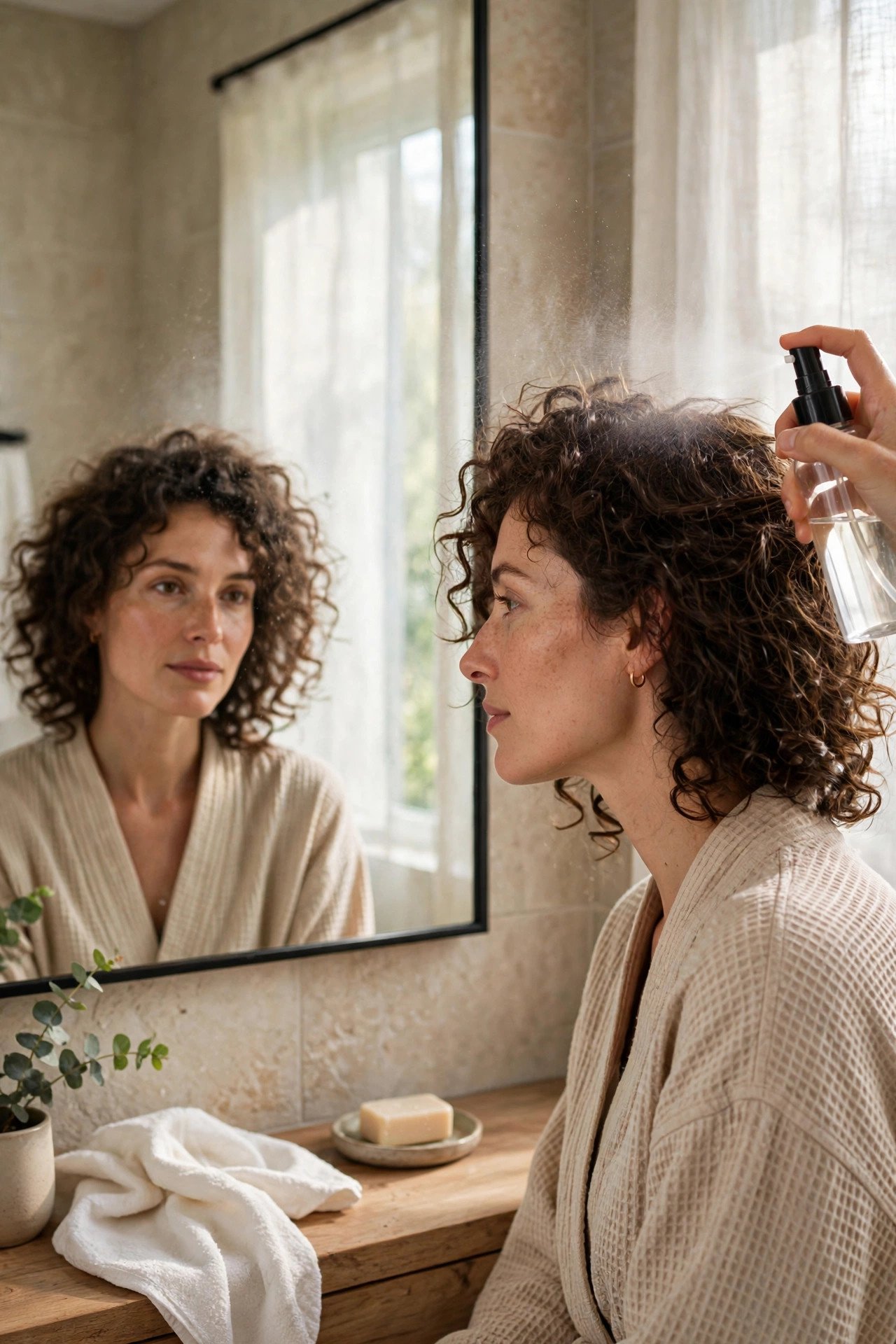
Washing curly hair too often dries it out, so learn the refresh: mist hair with a water and leave-in mix in a spray bottle, scrunch upward to reactivate the curl pattern, and smooth only the frizzy spots. A light steam from your shower works too. Two or three refresh days between washes is where CGM actually saves you time — once you stop rewashing every morning.
11. Know the Signs CGM Isn’t for Your Hair Type

Here is where the backlash has a point. If your curls look limp, stringy or over-moisturized after weeks of the full routine, you may be a victim of moisture overload — especially common with fine, wavy hair. Signs to scale back: co-washing leaves your scalp itchy or flaky, curls fall flat by noon, or protein-free routines make hair mushy. Switch to a lighter shampoo, clarify monthly, and drop products one at a time until your hair responds.
12. The Minimal Routine Most Curlies Returned To

The thread’s biggest lesson: the women with the best curls usually ended up with three products — a gentle cleanser, one conditioner, one styler. Cleanse, condition and detangle wet, style soaking wet, dry gently, protect at night. Change one thing at a time so you know what actually works. The method is a toolbox, not a religion — keep the tools that earn their place and drop the rest.
The curly girl method is neither a scam nor a miracle: it is a set of techniques that works brilliantly when adapted to your texture and fails when followed as dogma. Take what serves your curls, skip what doesn’t, and if you are exploring more hair inspiration, our subtle coloured hair ideas for women pair beautifully with healthy, defined curls. Your hair, your rules.